NJ Climate Specialists
Mastering the Science of Window Film
Discover how the right window film can transform your New Jersey home. We break down the complex specs into clear advice for Mercer and Burlington counties.
Explore Now
NJ Climate Specialists
Mastering the Science of Window Film
Discover how our right window film guide can transform your New Jersey home. We break down the complex specs into clear advice for Mercer and Burlington counties.
Start Exploring
Security Window Film
Most people don’t think about window film until something goes wrong. Their hardwood floors develop a faded stripe where the rug used to sit. The west-facing bedroom turns into an oven by 4 PM every July. The cheap tint on their storefront starts bubbling at the edges two summers after they paid for it. And almost every time, the problem isn’t that window film doesn’t work — it’s that they were sold the wrong kind, by someone who didn’t take the time to explain the difference.
That’s the gap this site was built to close.
windowfilmguy.com is a resource for homeowners and business owners who’d rather understand what they’re buying before they spend money on it. We dig into the questions most installers skip past. Why Quality Film on Princeton Dual Pane Windows? Why Metalized Film Are a Thing of the Past? and what replaced them? What do TSER and infrared rejection numbers really tell you on a spec sheet? When is window film genuinely the wrong answer?
We work out of the Northeast and handle installations across Central New Jersey, South Jersey, the Main Line, and Greater Philadelphia. What you’ll read here is what we’d say to a neighbor over coffee — sometimes that means recommending the better film, sometimes it means telling them to hold off. You can count upon us as your go-to Window Film Guide For New Jersey
Feather Friendly Film
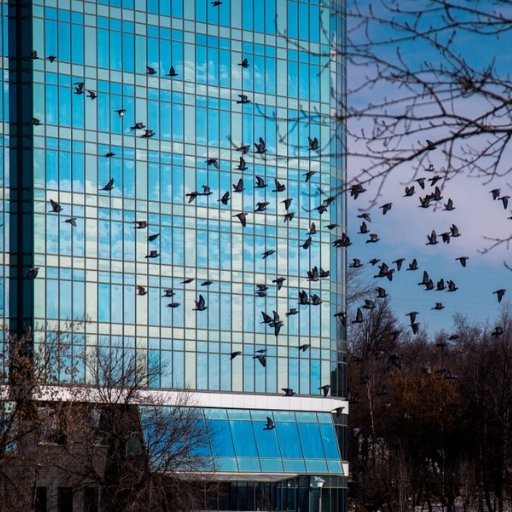
Look closely at the glass on most New Jersey homes and offices and you’ll notice something the birds notice too late — there’s nothing visually telling them the glass is there. They see the reflection of the trees behind them, or straight through to the houseplants on the other side, and they fly into it at full speed. Across North America, hundreds of millions of birds die this way every year.
It’s a problem with a quiet, well-tested fix.
Bird-safe window film uses small exterior markers — dots, lines, or UV-reflective patterns — spaced according to how birds actually perceive their environment. Their vision picks up wavelengths ours can’t, so the patterns stay almost invisible from inside the home while reading clearly as a barrier in flight.
For Princeton’s wooded historic neighborhoods and Burlington County’s open campuses — both sitting directly under Atlantic Flyway migration routes — this is one of the few building upgrades that genuinely protects something beyond the people inside it.
Safety. Comfort. Privacy.
Complete Glass Solutions
Our Mission
To demystify window film technology for homeowners. We provide unbiased, educational content helping you make informed decisions without the sales pitch.
Our Expertise
With deep roots in the Tri-State area, we understand the specific UV and thermal challenges faced by properties in the varied New Jersey climate.
Core Values
Integrity, clarity, and science-backed data. We don't sell film; we explain it. From VLT ratings to TSER stats, we make the technical simple.
More About Us
Frequently Asked Questions
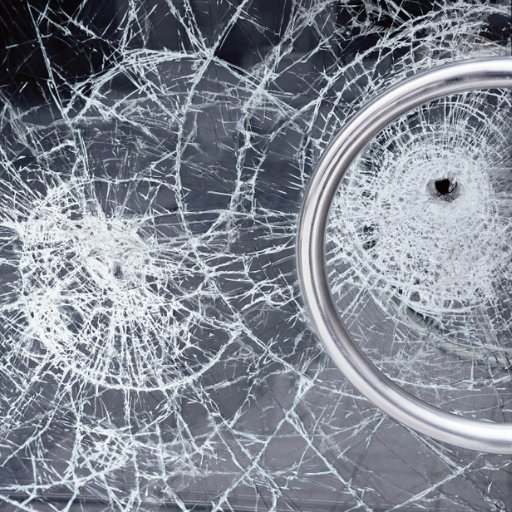
In Mercer and Burlington counties, summer storms frequently produce hail, high winds, or flying debris, while historic Princeton homes often feature older, single-pane or annealed glass. When impacted, this glass shatters into sharp, projectile shards that can travel many feet—creating serious injury hazards and allowing rapid entry. The core physics issue is lack of tensile strength and fragment retention in unprotected glazing.
High-performance security laminates (typically 8-mil or thicker optically clear polyester layers) are applied to the interior surface with a pressure-sensitive adhesive. During impact, the film absorbs and distributes energy across the pane, preventing shards from separating. The result is a spider-webbed but cohesive sheet that remains anchored in the frame significantly longer than untreated glass—reducing both intrusion speed and flying-glass injuries.
Yes—when using patterns designed around avian vision science. Birds see ultraviolet wavelengths humans cannot, so carefully spaced UV-reflective or high-contrast markers (dots, lines, or grids following threat-factor spacing guidelines) create a visible barrier to birds from the outside while remaining nearly imperceptible from indoors. In wooded Princeton neighborhoods and open Burlington campuses with heavy migratory traffic, this approach has proven effective at reducing collisions without compromising natural light or architectural aesthetics.
New Jersey’s humid continental climate brings intense solar heat gain through south- and west-facing windows, often pushing indoor temperatures 10–15°F higher than outside shade conditions. Advanced solar-control films can reject 70–85% of total solar energy (measured by Solar Heat Gain Coefficient reduction) while allowing 40–70% visible light transmission—delivering meaningful comfort improvement and HVAC load reduction without darkening interiors excessively.
UV radiation accounts for up to 40% of fading damage to interiors, with the remaining caused by visible light and heat. Premium films block 99%+ of UV rays (the primary culprit in photochemical degradation) and significantly reduce infrared heat transmission. In homes with large original windows—common in Princeton’s historic districts—this combination substantially slows color fading on rugs, upholstery, paintings, and wood finishes without requiring heavy drapes or permanent shading.
Most professional-grade architectural window films are designed as reversible retrofits. When applied and maintained correctly, they can be removed years later using specialized heat and chemical release agents, leaving the original glass intact with no etching, adhesive residue, or optical distortion. This makes them especially suitable for rental properties, historic structures, or buildings where future reglazing or aesthetic changes may be required.
Schedule free consultation
From The Blog
Stay updated with the latest trends in window efficiency, installation tips, and product reviews.